A note on how to read this: dream meanings here are a personal and cultural tradition, offered for reflection and curiosity — not science, and not medical or psychological advice.
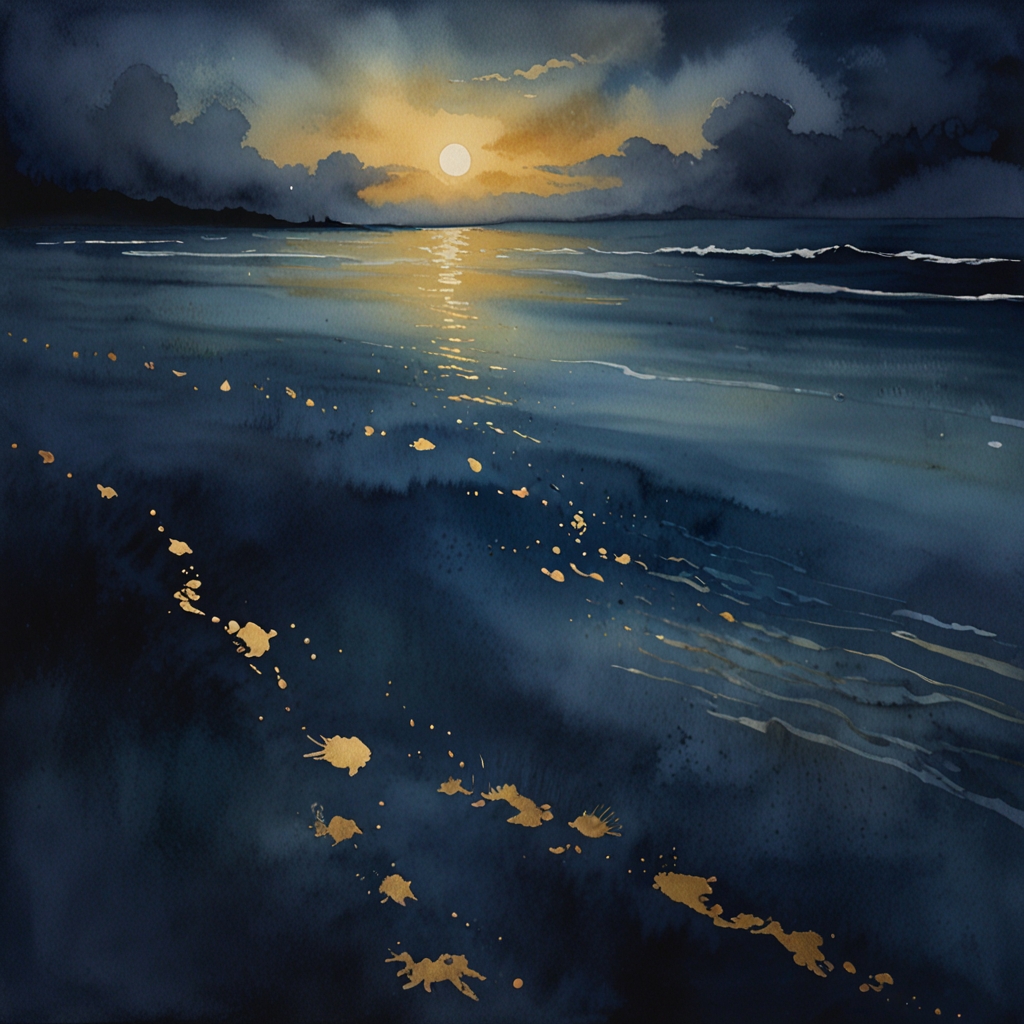
Classical interpreters in this tradition often read the beach as a threshold between the conscious and unconscious realms, where solid ground yields to the fluid depths. The image invites reflection on boundaries between control and surrender, safety and mystery.
The beach may symbolize the ego's edge—where the known self encounters the vast, unknowable unconscious. The quality of the sand, water, and weather in the dream often reveals how the dreamer experiences this boundary: whether it feels permeable, defended, or in flux.
In Western traditions, beaches often signal escape and leisure; in maritime cultures, they represent livelihood and survival; in Asian contexts, they may evoke impermanence and the transitory nature of existence.
Common variations
- empty, deserted beach
- Solitude and isolation, or a rare opportunity for inner reflection without external pressure or distraction.
- crowded, busy beach
- Social pressure, loss of privacy, or the challenge of maintaining one's own sense of self amid collective demands.
- stormy or dark beach
- Turbulent emotions or unconscious material rising to the surface; a sense of danger or the need to prepare for upheaval.
- beautiful, serene beach
- Harmony between inner and outer worlds; a moment of peace or permission to rest and simply observe.
Where this dream tends to come from
Beach dreams often arise after a holiday or break, a recent move to a coastal area, or encounters with water (swimming, news, media). They may also emerge during periods when the dreamer is contemplating a major life transition or weighing competing impulses.
This is everyday, non-clinical context — a prompt for reflection, not a diagnosis.
Related symbols





Questions
Does dreaming of a beach mean I want to travel or escape?
Not necessarily. The beach is a symbol of thresholds and boundaries, not a forecast. It may reflect a current internal transition rather than a literal wish to leave.
What if the beach felt threatening or unsafe in my dream?
The beach itself is neutral; your emotional response to it is key. A threatening beach may invite reflection on what boundary feels unstable or what hidden depths you sense but cannot yet name.
For reflection and cultural interest — a dream dictionary, not psychological or medical advice.