A note on how to read this: dream meanings here are a personal and cultural tradition, offered for reflection and curiosity — not science, and not medical or psychological advice.
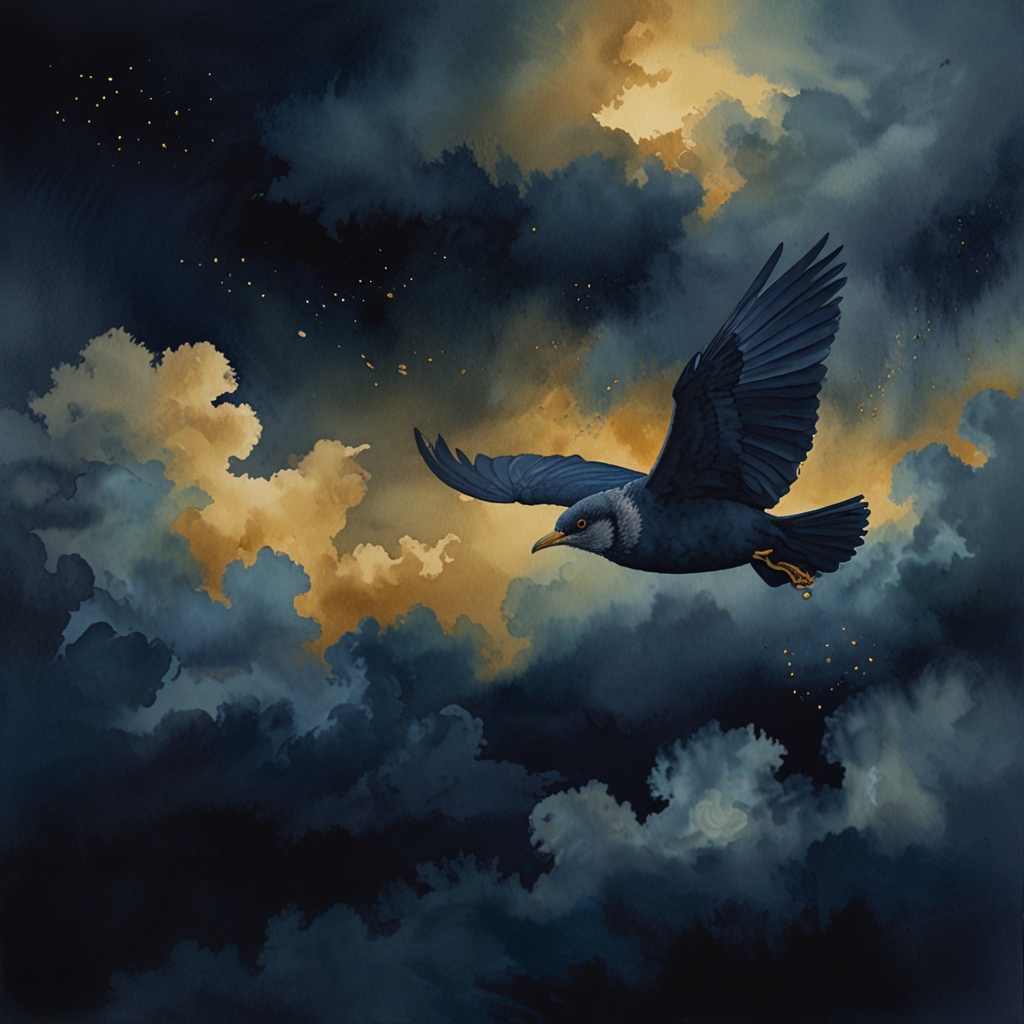
Classical interpreters in this tradition often read birds as messengers, souls in transit, or symbols of the spirit's capacity to transcend. A bird's behavior—caged, soaring, wounded, or singing—tends to mirror the dreamer's sense of liberty or confinement.
In depth-psychology, birds frequently represent the transcendent impulse within the psyche—the drive to move beyond limitation, gain overview, or contact what feels distant or higher. The specific bird's condition and behavior often reveal the dreamer's relationship to aspiration and autonomy.
Across cultures, birds carry distinct meanings: in Islamic tradition often divine message; in Christian symbolism frequently the Holy Spirit; in East Asian traditions, cranes suggest longevity and immortality, while crows carry trickster wisdom.
Common variations
- Bird in Flight
- Often reflects a sense of freedom, aspiration, or release from constraint. The sky becomes a canvas for possibility and perspective.
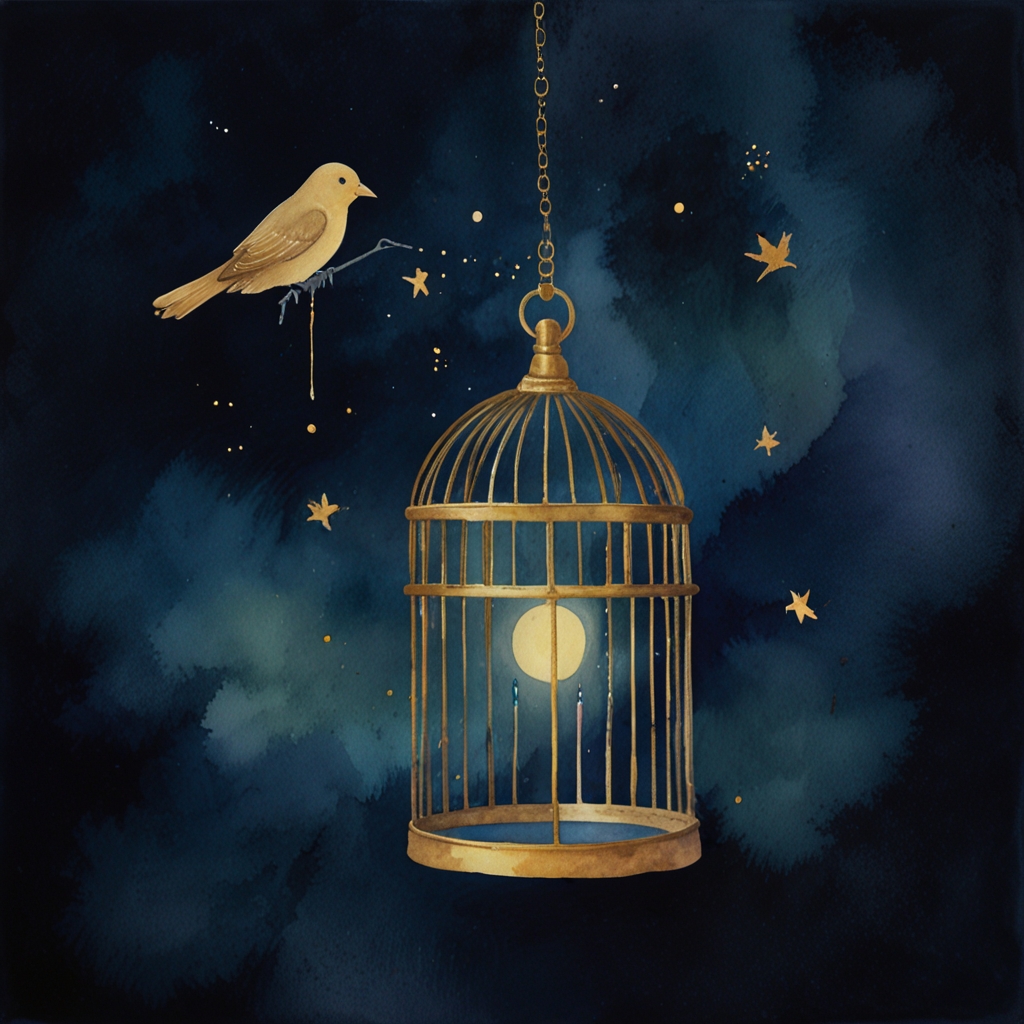
- Caged Bird
- Suggests internal conflict between desire for liberty and actual limitation. May arise during periods of restriction or difficult choice.
- Bird Landing
- Represents arrival, grounding, or moment of decision. Suggests transition from thought or hope into tangible reality or commitment.
- Unfamiliar Species
- Points toward the unknown or unexplored aspects of self. Often surfaces when encountering new experience or unfamiliar emotional terrain.
Where this dream tends to come from
Bird dreams commonly emerge during transitions—starting projects, leaving situations, or sensing personal growth. They frequently follow moments when we've felt trapped by routine or when possibility feels near but uncertain.
This is everyday, non-clinical context — a prompt for reflection, not a diagnosis.
Related symbols
Questions
If the bird is caged, does that mean I'm trapped?
A caged bird is an image to sit with, not a forecast. It may invite you to reflect on where you feel confined—in work, relationship, or thought—and whether that confinement feels temporary or chosen.
What if I don't remember what kind of bird it was?
The specific species matters less than its quality: Was it small or large? Colorful or plain? Graceful or clumsy? Quiet or loud? These qualities often carry the dream's real meaning, and can guide your reflection.
For reflection and cultural interest — a dream dictionary, not psychological or medical advice.