A note on how to read this: dream meanings here are a personal and cultural tradition, offered for reflection and curiosity — not science, and not medical or psychological advice.
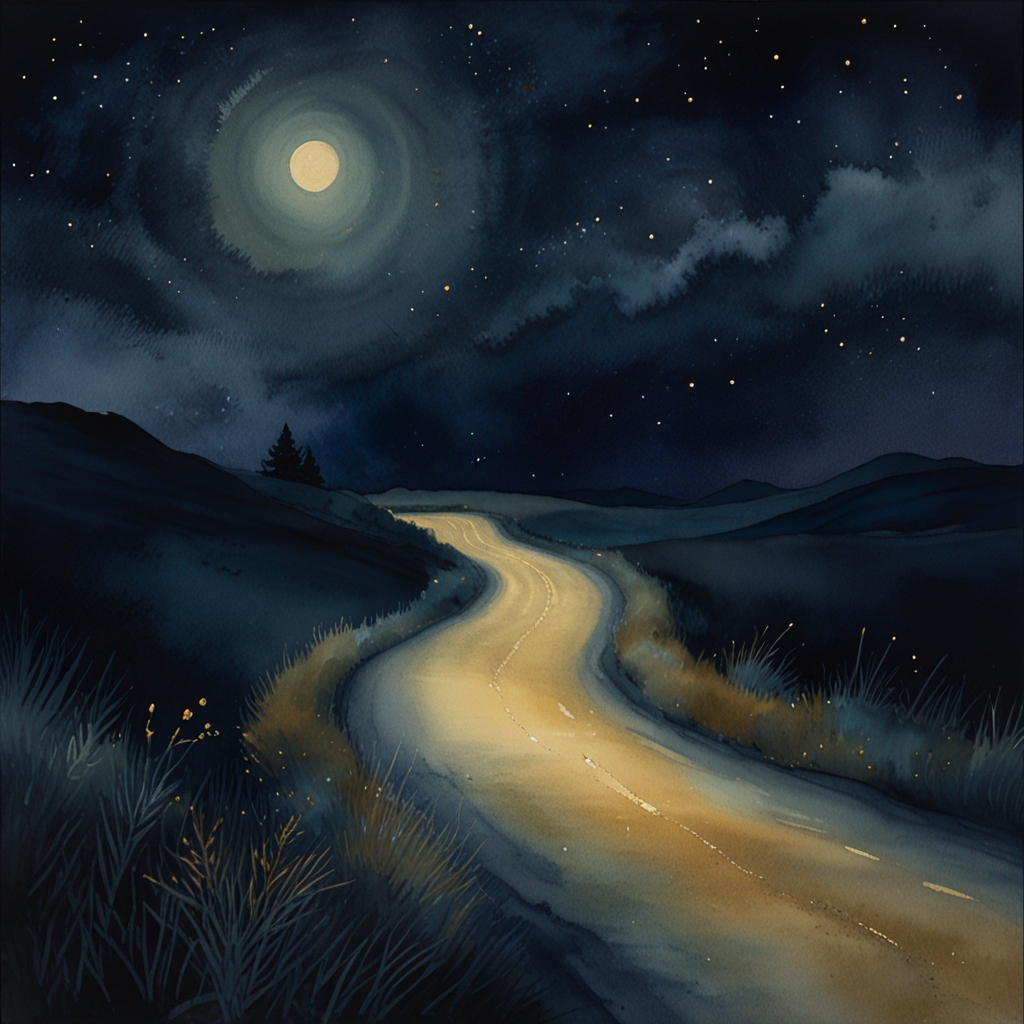
Classical interpreters in this tradition often read a car as an instrument of will and progress through the world. A smoothly moving vehicle tends to suggest purposeful movement, while difficulty with steering, brakes, or fuel invites reflection on obstacles to one's aims.
The car may represent the ego-driven self, the persona that moves through the social world. Whether you are driving, lost, or surrendering control often mirrors your relationship with personal agency and responsibility in waking life.
In Western dream symbolism the car dominates as a symbol of autonomy and status, while in cultures less reliant on automobiles, similar dreams may involve horses, boats, or trains—each carrying local meanings of progress and control.
Common variations
- Loss of Control
- The car accelerates or brakes fail. Reflects moments when life's pace feels unstoppable or when you sense decisions slipping beyond your grasp.
- Passenger Perspective
- You ride as passenger, not driver. Suggests trust or uncertainty about letting others lead, or passive acceptance of a situation's direction.
- Mechanical Failure
- Engine stalls, flat tire, or breakdown. Prompts reflection on depleted resources, delayed goals, or feeling unprepared for a journey ahead.
- Navigation Uncertainty
- Lost route, wrong destination, or confusing roads. Often emerges when life choices feel ambiguous or when purpose temporarily feels unclear.
Where this dream tends to come from
Dreams of cars often arise during transitions—new jobs, relocations, relationship shifts—when conscious mind processes autonomy and direction. The car, as both tool and symbol of independent movement, naturally surfaces when we're negotiating pace, control, and destination in waking life.
This is everyday, non-clinical context — a prompt for reflection, not a diagnosis.
Related symbols



Questions
What if I'm not driving—someone else is?
This often invites reflection on how much you direct your own path versus trust or defer to others. It is not a prediction of loss of control, but a prompt to examine your waking attitudes toward agency.
Does a broken-down car mean something bad will happen?
No. A stalled or damaged car is a symbol for reflection on real obstacles you may sense in your efforts or direction—a mirror, not a forecast. It asks: where do you feel stuck or in need of repair?
For reflection and cultural interest — a dream dictionary, not psychological or medical advice.