A note on how to read this: dream meanings here are a personal and cultural tradition, offered for reflection and curiosity — not science, and not medical or psychological advice.
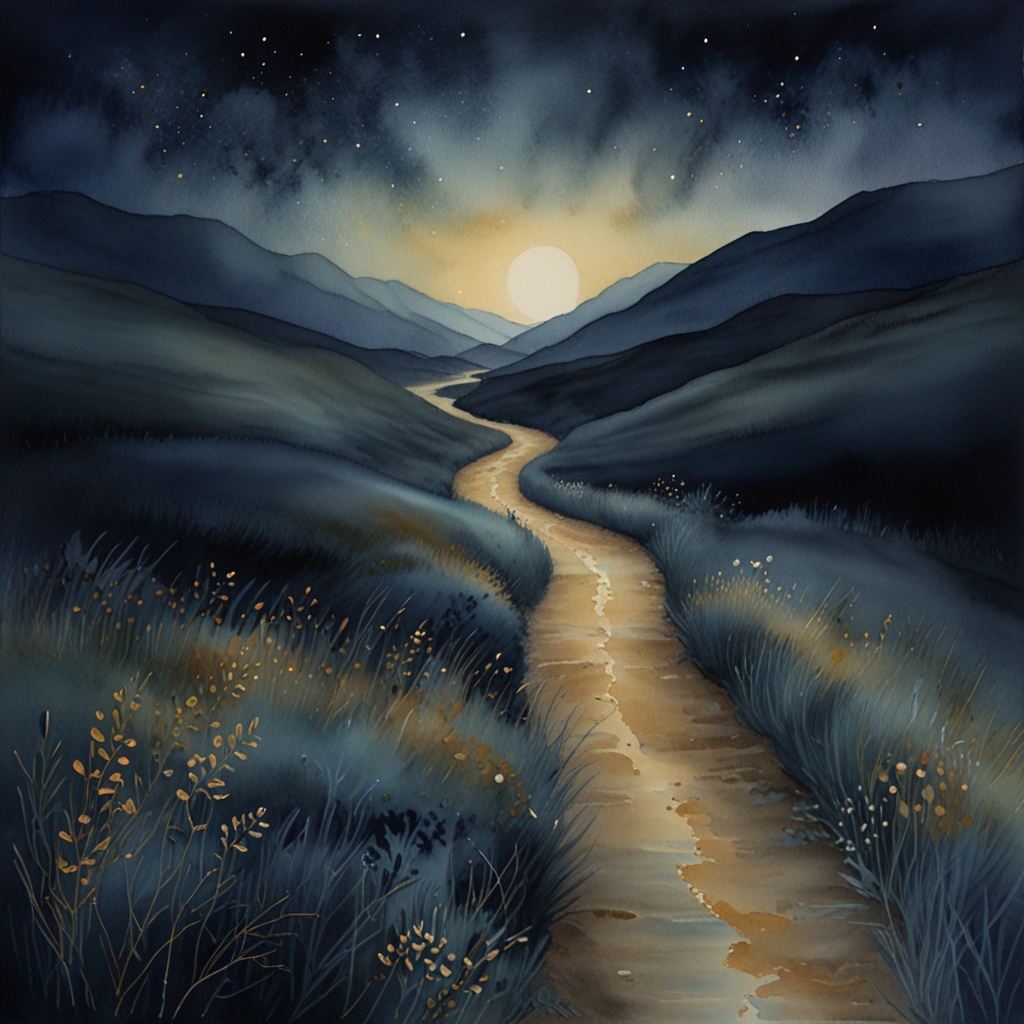
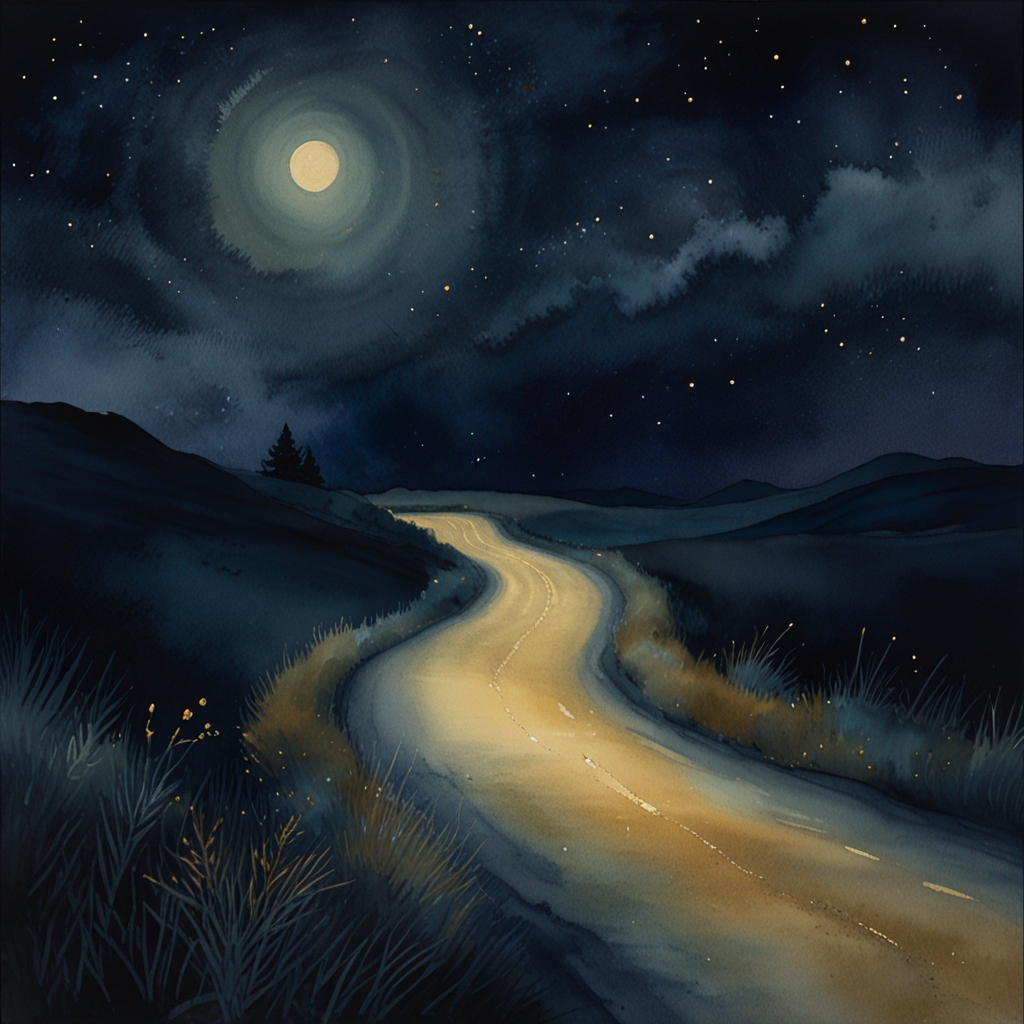
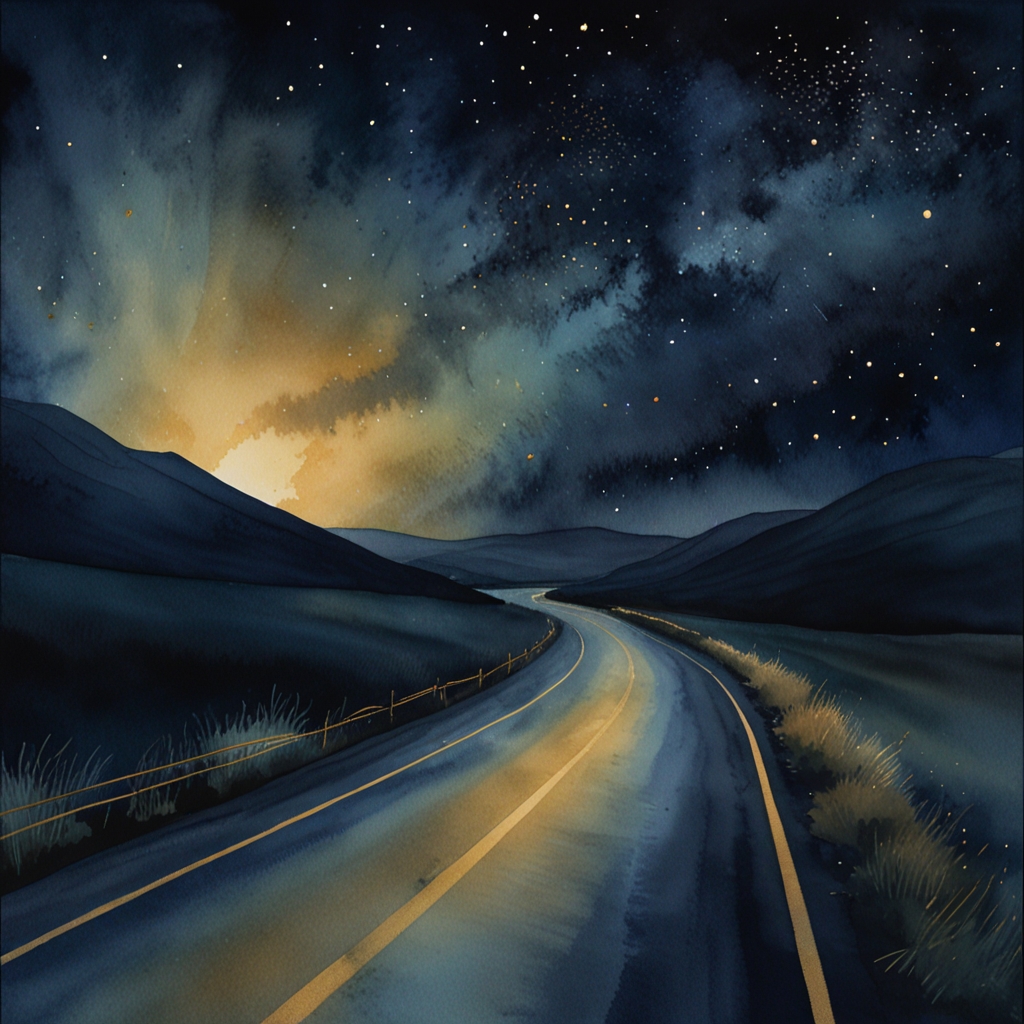
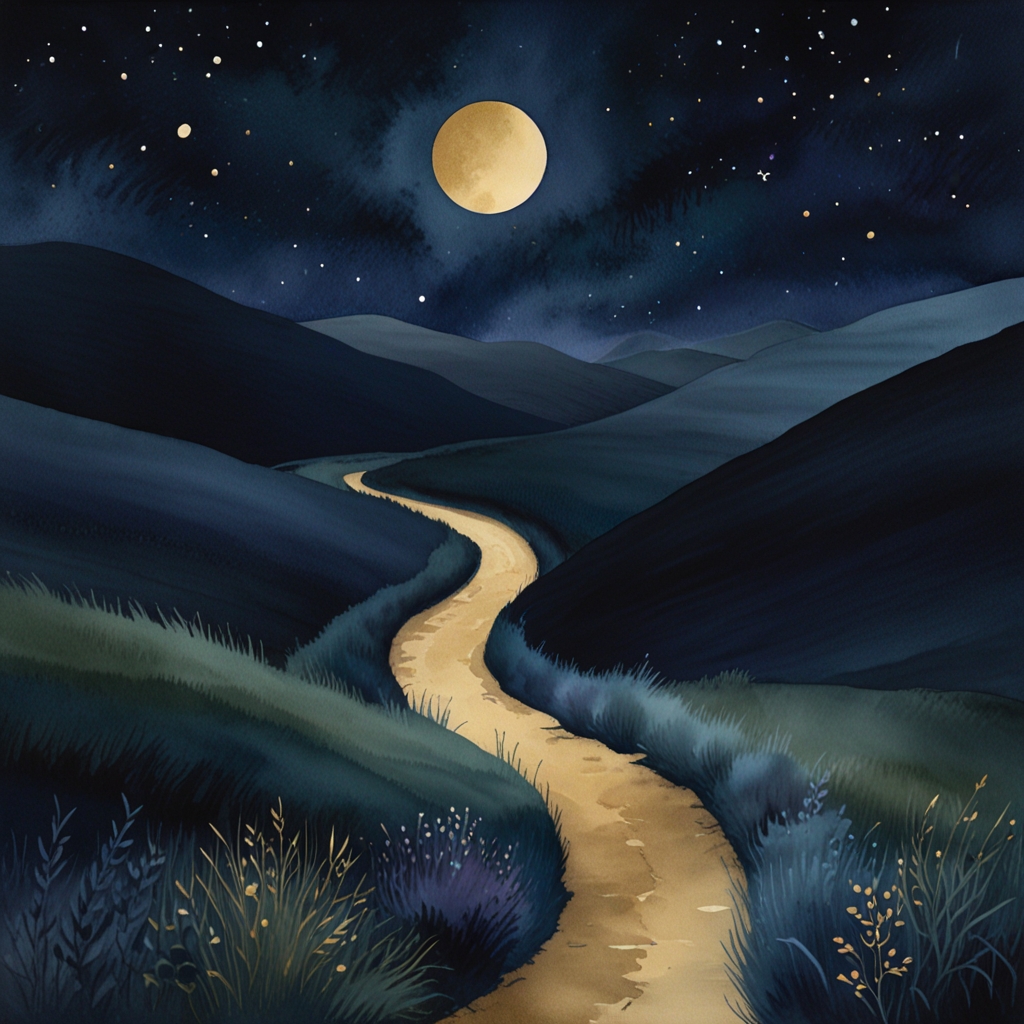
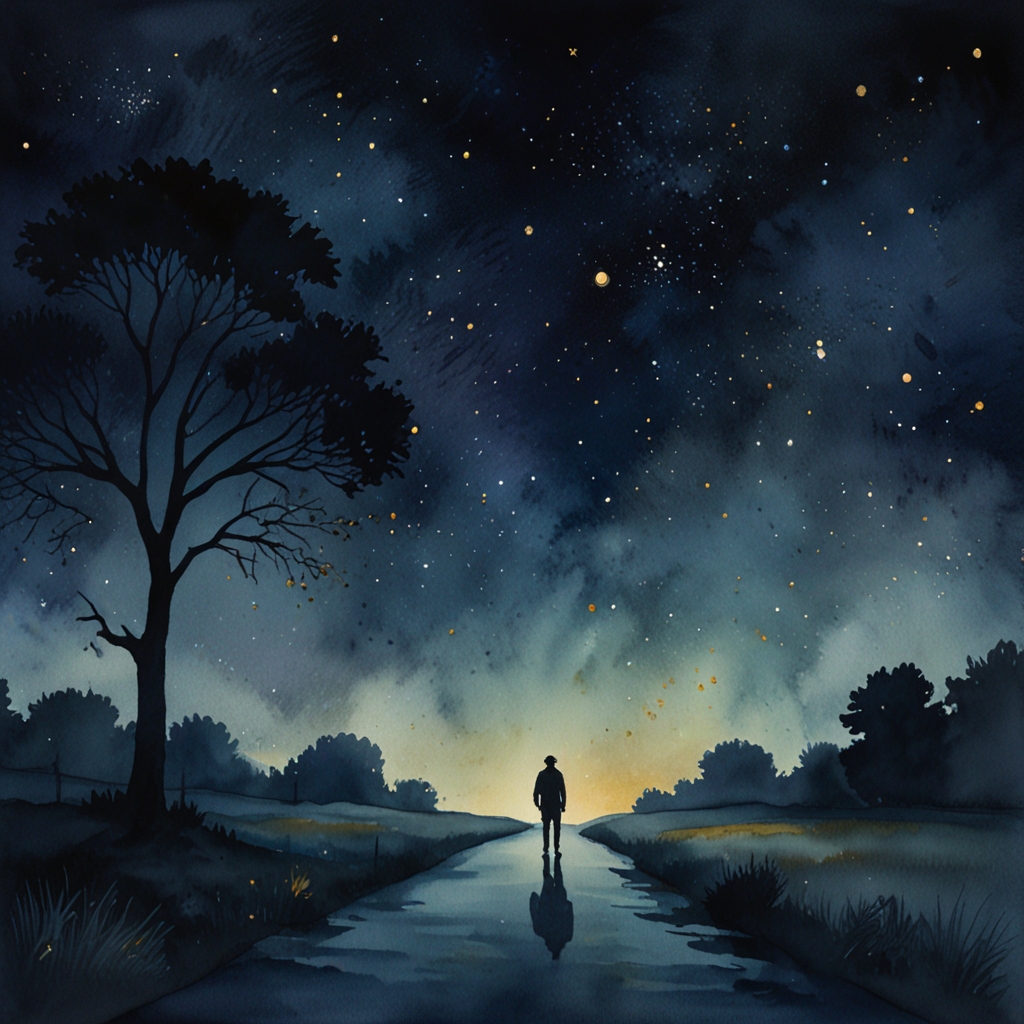
Classical interpreters in this tradition often read the road as a symbol of life's journey, destiny, or the soul's passage. The condition, clarity, and direction of the road invite reflection on one's own sense of purpose and movement.
In depth-psychology, the road may represent the ego's path toward individuation, the conscious journey of becoming whole. The dreamer's posture on the road—hesitant, purposeful, lost—often mirrors an inner attitude toward growth and change.
Western traditions emphasize the road as individual choice and destiny, while Eastern symbolism often reads it as the dharma or natural law one follows; indigenous traditions may associate it with ancestral patterns or ceremonial passage.
Common variations
- Familiar road
- A well-known path may suggest comfort with established patterns or routines, inviting reflection on whether this familiarity serves growth or constrains possibility.
- Unfamiliar or winding road
- An unknown or serpentine path often evokes the unknown territory of change, uncertainty, or an unfolding life transition requiring navigation without a map.
- Blocked or broken road
- An impassable or damaged route may prompt inquiry into real or perceived obstacles, inviting the dreamer to consider detours or fundamental re-direction.
- Multiple roads or crossroads
- A fork or choice point often reflects a waking decision or moment of ambivalence, symbolizing the weight of selecting one path while abandoning others.
Where this dream tends to come from
Dreams of roads commonly arise during transitions, decisions, or periods of travel. They may follow a conversation about life direction, a recent change in routine, or simply the experience of driving or walking somewhere new. They are also frequent in times of uncertainty or planning.
This is everyday, non-clinical context — a prompt for reflection, not a diagnosis.
Related symbols
Questions
Does dreaming of a road mean I should travel or make a change?
No. A road in a dream is a symbolic reflection, not a directive. It invites you to notice your waking sense of direction, purpose, or movement—but the choice to act remains entirely yours.
What if I don't know where the road leads?
Uncertainty about destination often mirrors real-life questions about goals or meaning. Rather than seeking an answer, consider what the unknown ahead makes you feel: curiosity, dread, freedom, or ambivalence. That feeling is the dream's real content.
For reflection and cultural interest — a dream dictionary, not psychological or medical advice.