A note on how to read this: dream meanings here are a personal and cultural tradition, offered for reflection and curiosity — not science, and not medical or psychological advice.
Classical interpreters in this tradition often read the face as a mirror of inner character and social standing. A clear, bright face suggests integrity; a blurred or distorted one may symbolize confusion about one's true nature or role.
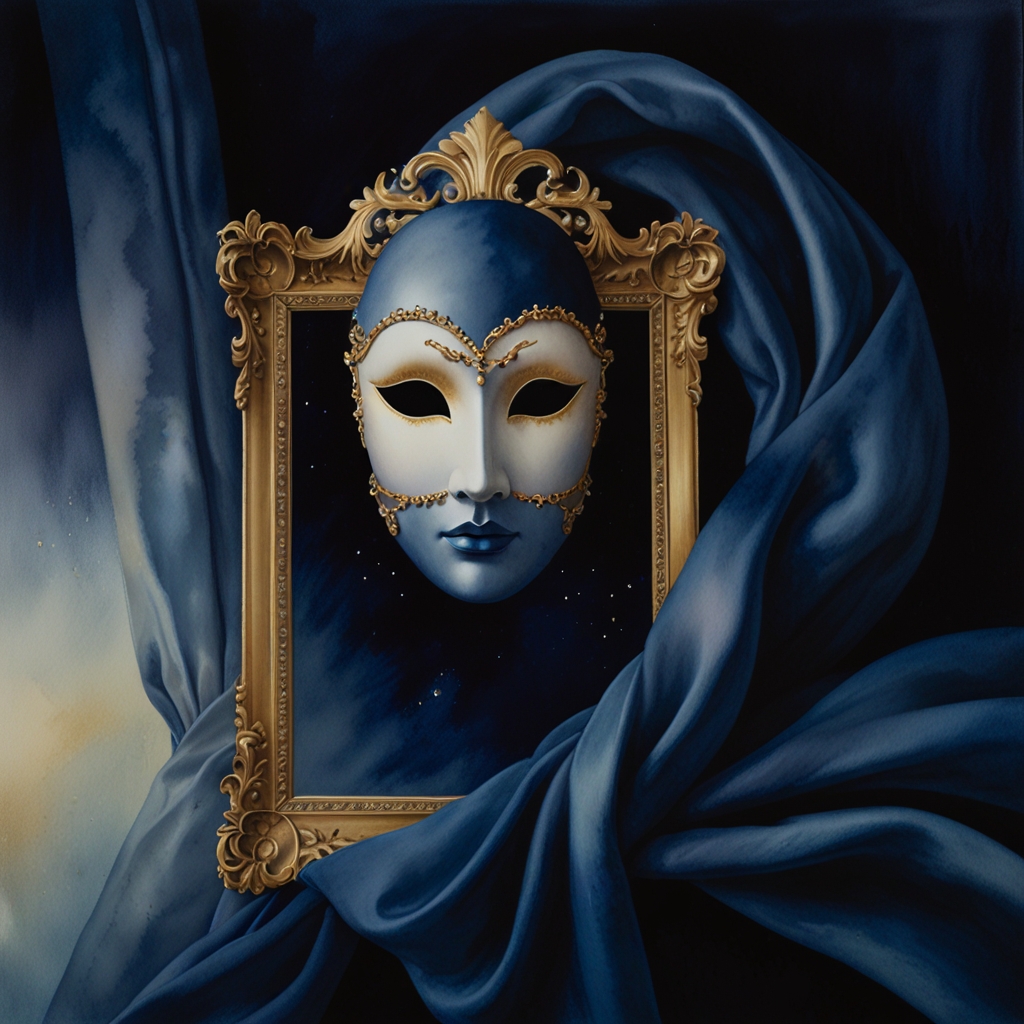
In depth psychology, the face represents the persona—the mask we show the world. Dreams of faces invite reflection on the gap between inner self and outer presentation, or on integrating disowned aspects of oneself.
Western traditions emphasize the face as seat of identity and emotion, while some Eastern contexts view the face as a vessel of ancestral or cosmic presence.
Common variations
- Featureless or blank face
- A face without eyes, mouth, or distinguishing marks may suggest loss of identity, anonymity, or feeling unseen by others. Invites reflection on what defines you.
- Distorted or morphing face
- A face that shifts, warps, or cannot be held in focus often reflects uncertainty about someone's true nature or your own changing self-perception.
- Many faces or crowd of faces
- Multiple unfamiliar faces may indicate feeling overwhelmed by social demands, or contemplating your place among strangers and competing identities.
- Mirror or reflection
- Seeing your own face reflected often prompts examination of self-image, acceptance of aging, or recognition of qualities you may be avoiding.
Where this dream tends to come from
Dreams of faces often arise after social interaction, public speaking, or moments of self-reflection. They may also follow seeing an unfamiliar person or reviewing old photographs, which can activate memory or identity themes during sleep.
This is everyday, non-clinical context — a prompt for reflection, not a diagnosis.
Related symbols
Questions
Does dreaming of a distorted face mean something is wrong?
Not necessarily. Distortion is a dream's way of drawing attention to ambiguity or confusion—about yourself or another person. It's an invitation to examine that uncertainty more closely, not a diagnosis or warning.
Why do I dream of faces I don't recognize?
Unknown faces often represent aspects of yourself not yet consciously integrated, or the universal 'stranger'—the unknown potential in others and yourself. Such dreams encourage curiosity rather than fear.
For reflection and cultural interest — a dream dictionary, not psychological or medical advice.