A note on how to read this: dream meanings here are a personal and cultural tradition, offered for reflection and curiosity — not science, and not medical or psychological advice.
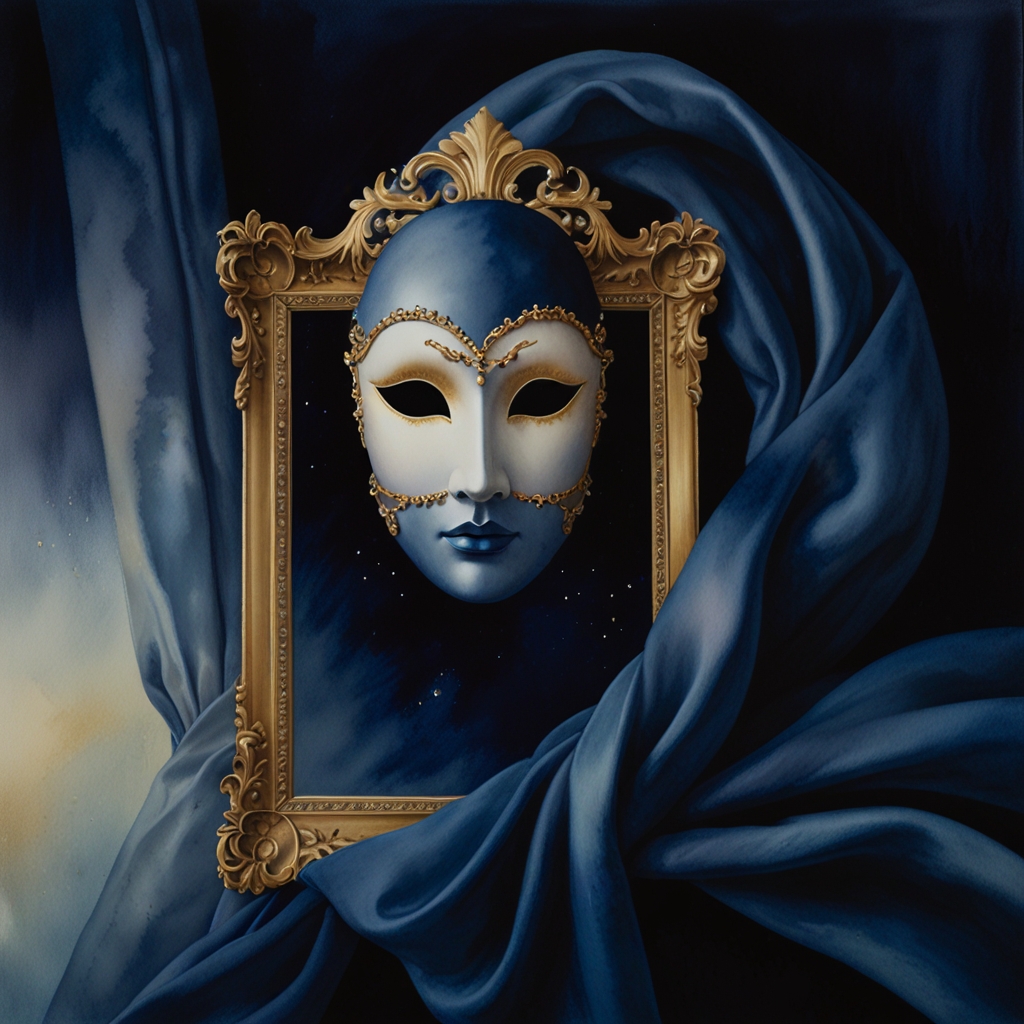
Classical interpreters in this tradition often read the mask as an emblem of the persona—the social self we present to the world. The dream's concern with donning, removing, or seeing through a mask frequently signals tension between inner authenticity and outer performance.
From a depth-psychological view, the mask can represent the conscious persona or the shadow aspects we conceal. Depending on whether the dreamer wears, removes, or fears the mask, it may reflect integration of hidden parts or struggle with identity and genuine self-expression.
In Western traditions the mask typically signifies deception or the social facade; in ritual and performance cultures (Venetian, Japanese, African), masks embody sacred or transformative power rather than mere concealment.
Common variations
- Removing the mask
- Often suggests a longing for or fear of exposure, vulnerability, or the stripping away of pretense—an impulse toward authenticity or dread of being truly seen.
- Mask stuck to face
- May reflect the dreamer's sense that a persona has calcified or that the performance has become inseparable from identity, raising questions of self-recovery.
- Discovering another's mask
- Frequently evokes doubt or revelation—realizing that someone familiar is not who they seemed, prompting reflection on trust and the hidden lives of others.
- Beautiful or ornate mask
- Can embody the allure and artfulness of presentation, inviting wonder at how beauty and artifice intertwine, or ambivalence about whether elegance justifies concealment.
Where this dream tends to come from
Such dreams often follow social situations in which the dreamer felt pressure to perform, hide emotion, or maintain a false front—a difficult conversation, a public role, or a period of self-doubt. They may also arise from recent encounters with deception or from reflecting on one's own authenticity.
This is everyday, non-clinical context — a prompt for reflection, not a diagnosis.
Related symbols


Questions
Does a mask dream mean I'm being dishonest?
Not necessarily. A mask is a symbol of the gap between inner and outer self—universal and often necessary for social life. The dream invites you to notice that gap, not to condemn yourself for having one.
What if I can't remove the mask in the dream?
This variation often prompts reflection on feeling trapped in a role or identity that no longer fits. Rather than a warning, it's an invitation to explore what might be constraining you and what conditions might allow for change or relief.
For reflection and cultural interest — a dream dictionary, not psychological or medical advice.