A note on how to read this: dream meanings here are a personal and cultural tradition, offered for reflection and curiosity — not science, and not medical or psychological advice.
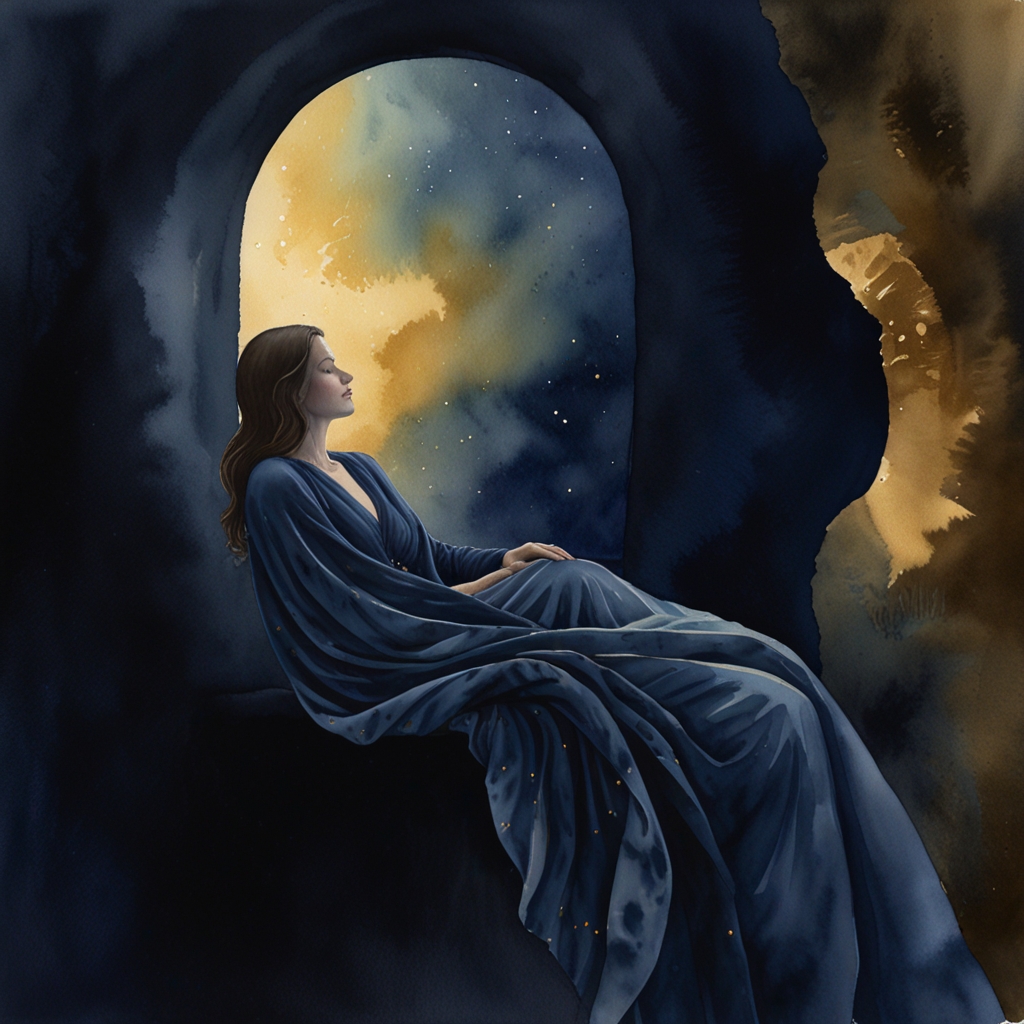
Classical interpreters in this tradition often read hiding as a withdrawal into the self, a protective gesture of the psyche when exposed or vulnerable. The dream may mark a threshold between concealment and revelation, between what one wishes to keep private and what one fears might be discovered.
From a depth-psychology perspective, hiding suggests an encounter with disowned or shadow aspects of the self—the parts we do not show others. The dream may invite reflection on what we feel unsafe expressing and what inner resources we activate when we retreat inward.
Across cultures, hiding carries different weight: in some traditions it signals shame or transgression; in others, it represents wisdom, spiritual practice, or necessary protection from external threat.
Common variations
- Hiding from a pursuer
- The dreamer conceals themselves while someone or something seeks them. Often reflects internal conflict between desire to be known and fear of judgment or capture.
- Hiding a secret object
- Rather than the dreamer hiding, they conceal something precious or forbidden. May represent protective instinct over inner truth or guilt around possession of knowledge.
- Discovered while hiding
- The dreamer is found despite their concealment. Often speaks to inevitability of self-revelation and the tension between privacy and exposure.
- Voluntary hiding place
- A safe, chosen refuge—a familiar room or shelter. Reflects genuine need for solitude, boundary-setting, and reclamation of personal space.
Where this dream tends to come from
Such dreams often arise after periods of social pressure, conflict, or feeling unseen—or conversely, overly scrutinized. They may also follow situations where the dreamer withheld speech, witnessed a secret, or craved uninterrupted solitude.
This is everyday, non-clinical context — a prompt for reflection, not a diagnosis.
Related symbols





Questions
Does hiding in a dream mean I'm being deceitful?
Not necessarily. Hiding may reflect legitimate needs for privacy, self-protection, or autonomy rather than dishonesty. The dream invites you to examine what feels unsafe to reveal and why.
What if I'm hiding something dangerous or shameful?
The dream may point to an internal conflict—a part of yourself you believe is unacceptable. Rather than prediction, this is an invitation to examine what you fear others or you yourself might judge, and whether that judgment aligns with your values.
For reflection and cultural interest — a dream dictionary, not psychological or medical advice.