A note on how to read this: dream meanings here are a personal and cultural tradition, offered for reflection and curiosity — not science, and not medical or psychological advice.
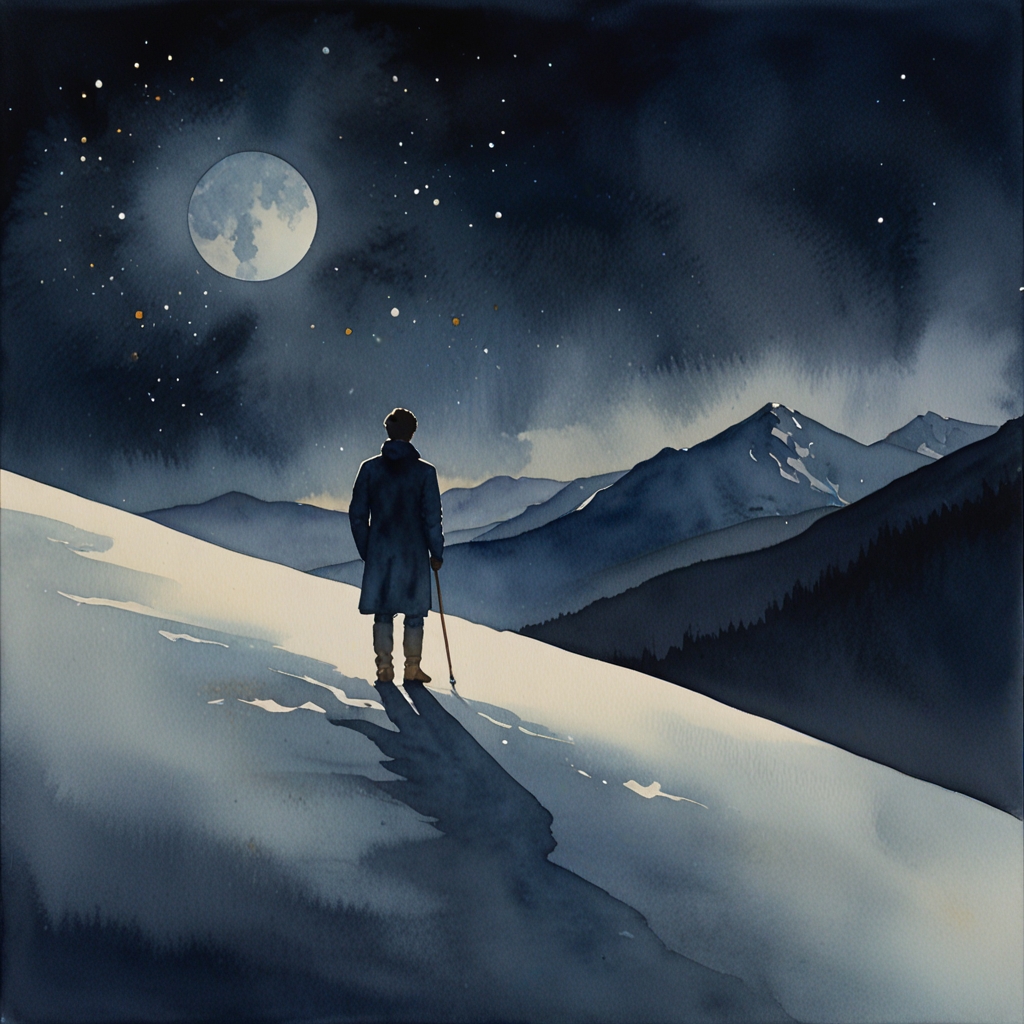
Classical interpreters in this tradition often read the mountain as an obstacle or a goal, depending on whether the dreamer climbs it or merely observes it. The summit can represent achievement, knowledge, or spiritual elevation — a way of examining what one is drawn toward or what stands between the dreamer and understanding.
In depth-psychology, the mountain frequently represents the self's potential for growth or the internalized obstacles that must be faced. Its height and difficulty mirror the psyche's own scale; climbing it can symbolize individuation or the integration of shadow material into consciousness.
The mountain's meaning shifts across cultures: sacred peaks in Hindu and Buddhist traditions signal transcendence; in Western literature, mountains often embody isolation, sublimity, or trial; in indigenous contexts, they may represent ancestral presence or cosmic axis.
Common variations
- Climbing the Peak
- Ascending a mountain suggests wrestling with ambition, persistence through difficulty, or the gradual effort required to reach something meaningful in waking life.
- Mountain Blocking Path
- An insurmountable peak can reflect feeling overwhelmed by obstacles, doubt about one's capacity, or the weight of challenges that seem to obstruct forward movement.
- Descending the Slope
- Coming down a mountain may signal retreat from a goal, relief after effort, or a return to ordinary life after an intense or elevated experience.
- Viewing from Distance
- Beholding a mountain from afar often expresses awe, contemplation of something larger than oneself, or the quiet recognition of work still ahead.
Where this dream tends to come from
Mountains appear in dreams during periods of ambition, struggle, or reflection—when someone is actively working toward a goal or processing the weight of life's demands. The symbol naturally emerges from both waking experience and cultural memory, where mountains represent endurance, grandeur, and the passage between lower and higher states.
This is everyday, non-clinical context — a prompt for reflection, not a diagnosis.
Related symbols



Questions
If I dream of climbing a mountain and never reaching the top, what does that mean?
Rather than predicting failure, this dream invites you to reflect on whether the climb itself — the effort, the view as you ascend — matters more than a distant summit. It may prompt you to examine what 'reaching the top' means to you, or whether the goal itself needs reconsideration.
Does a mountain always mean I have a big problem?
No. Mountains can signify aspiration, perspective, or strength as readily as difficulty. Context matters: a mountain you're drawn to climb, one you admire, or one you rest upon differs sharply from one that blocks your path. The dream invites you to notice your own relationship to it.
For reflection and cultural interest — a dream dictionary, not psychological or medical advice.