A note on how to read this: dream meanings here are a personal and cultural tradition, offered for reflection and curiosity — not science, and not medical or psychological advice.
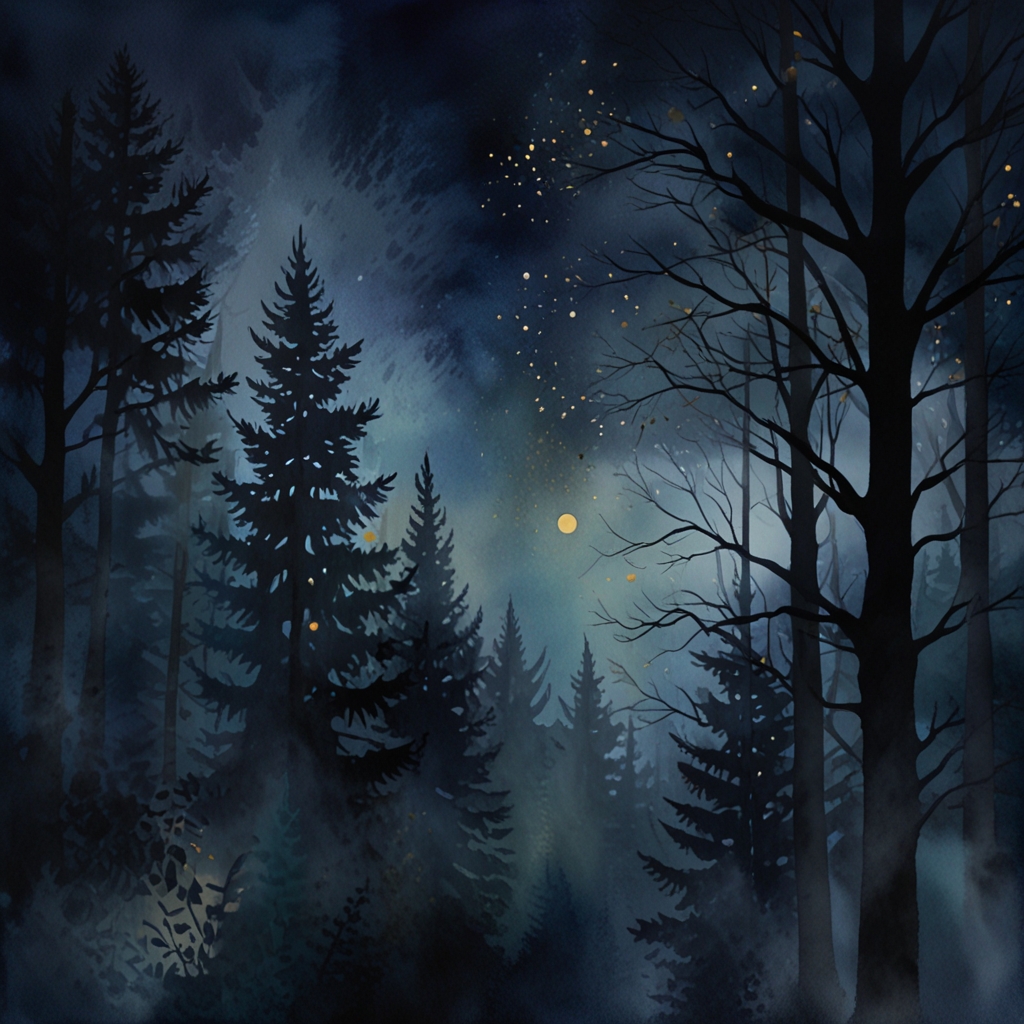
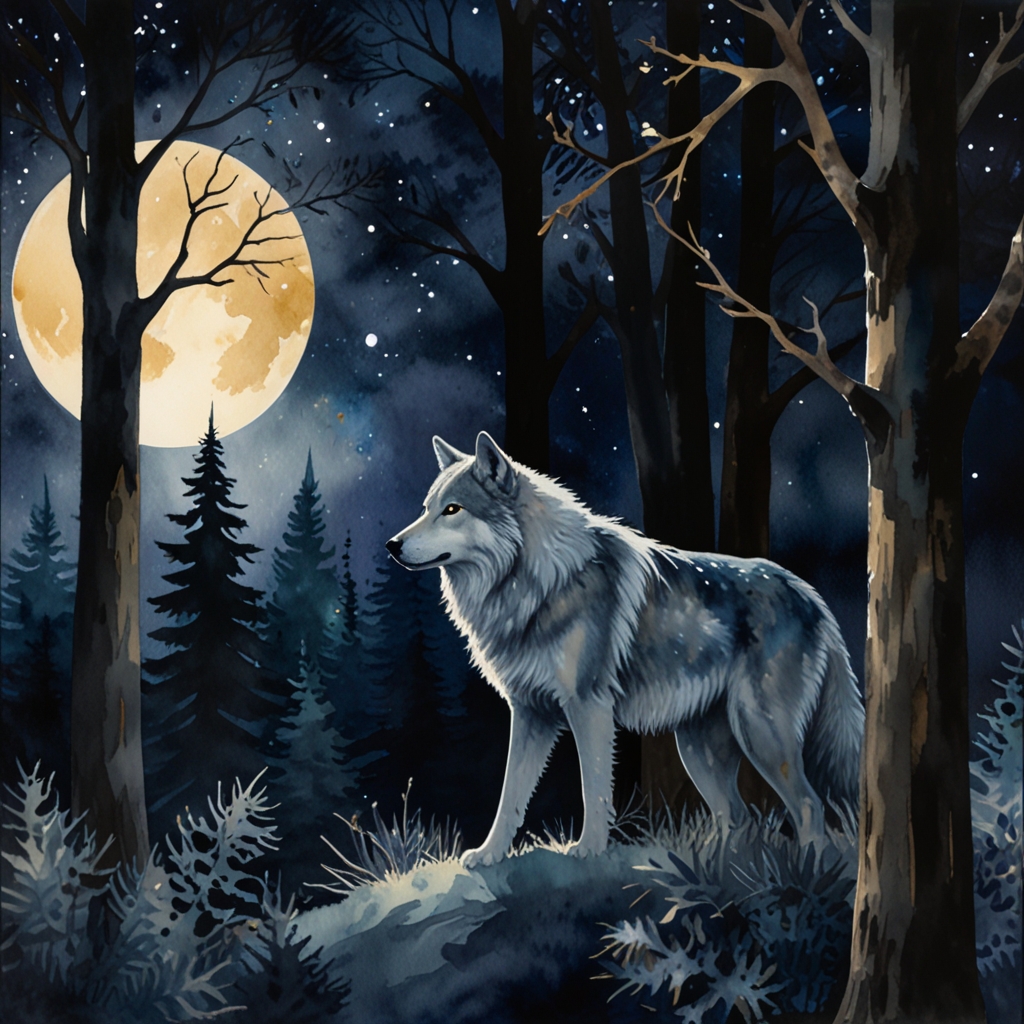
Classical interpreters in the Islamic dream tradition and European folk wisdom often read forests as places of trial, transition, or hidden knowledge. The forest reflects a state of disorientation or necessary passage, not an omen, but a mirror of inner uncertainty or growth.
In depth psychology, forests frequently represent the unconscious—vast, layered, and partly unknowable. Entering or moving through a forest may reflect engagement with shadow material, the need to find one's way through psychological complexity, or the productive disorientation that precedes integration.
The forest appears as threshold, danger, wisdom, or refuge across cultures—enchanted in Celtic lore, sacred in indigenous traditions, and a site of moral trial in Christian and literary Western symbolism.
Common variations
- Dense, Darkening Forest
- Wandering deeper into increasingly shadowed trees may reflect feeling overwhelmed by choices, or uncertainty about a decision's consequences unfolding gradually.
- Forest Clearing or Light
- Emerging from trees into an open space often mirrors a sense of relief, clarity achieved after confusion, or moving past a prolonged uncertain season.
- Lost in Repetition
- Circling back through identical trees may prompt reflection on feeling stuck in patterns—whether relational, professional, or habitual—that resist simple escape.
- Familiar, Peaceful Woods
- A known or welcoming forest can represent solitude sought as refuge, creative incubation, or a psychological space where one feels grounded and reflective.
Where this dream tends to come from
Forests appear in dreams when we're navigating complex life terrain—transitions, uncertainty, or the need for solitude. They arise naturally from both literal encounters with nature and from how cultures have long used forests in stories as thresholds between safety and the unknown.
This is everyday, non-clinical context — a prompt for reflection, not a diagnosis.
Related symbols
Questions
Does being lost in a forest mean something bad will happen?
No. A forest in dreams is a reflective image, not a prediction. Being lost there often invites you to consider what feels unclear or complex in waking life—it is a prompt for self-inquiry, not a warning of future events.
What if I find my way out or find something in the forest?
Finding a path, clearing, or object may reflect emerging clarity or discovery within confusion. These details are personal—they invite you to ask what the finding or passage might mean in the context of your own situation, not to forecast an outcome.
For reflection and cultural interest — a dream dictionary, not psychological or medical advice.