A note on how to read this: dream meanings here are a personal and cultural tradition, offered for reflection and curiosity — not science, and not medical or psychological advice.
Classical interpreters in this tradition often read the desert as a space of trial and purification—a testing ground where the dreamer confronts scarcity and solitude. The desert has long symbolized both spiritual pilgrimage and the stripping away of illusion.
From a depth perspective, the desert may represent an encounter with the unconscious's barren or underdeveloped regions—aspects of the self that feel empty, neglected, or waiting to be inhabited. It can also symbolize a period of inner dormancy or the need to cross a threshold of psychological transformation.
Western traditions often associate deserts with spiritual quests and hardship, while some Eastern and Indigenous traditions view deserts as places of wisdom, contemplation, and hidden abundance beneath apparent emptiness.
Common variations
- Crossing the desert
- Movement through the arid space may suggest active struggle toward a goal, endurance through difficulty, or a gradual process of emotional or spiritual passage.
- Oasis in the desert
- An oasis often represents unexpected hope, refuge, or nourishment amid depletion—a symbol of grace or inner resource discovered during hardship.
- Lost in the desert
- Wandering without direction may reflect a sense of disorientation in waking life, a loss of purpose, or the anxiety of moving through uncertainty without a clear path.
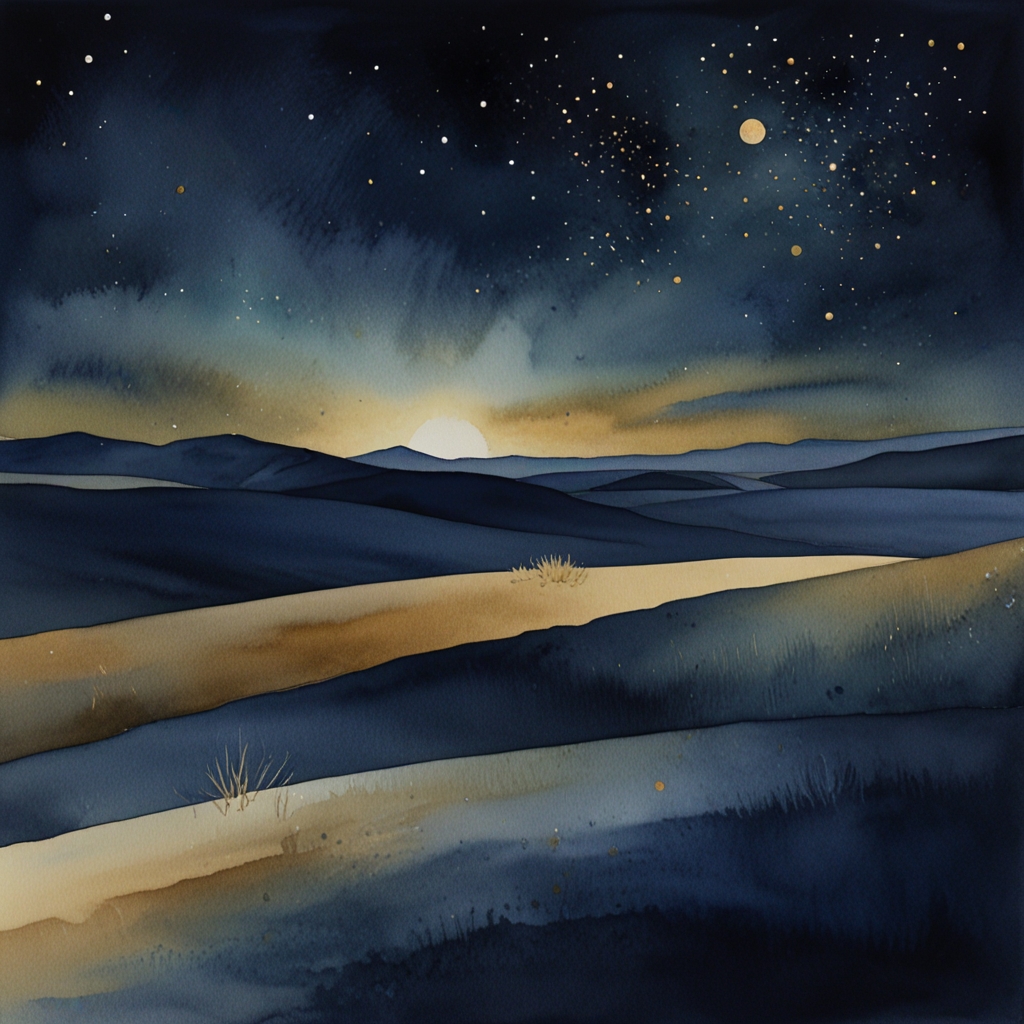
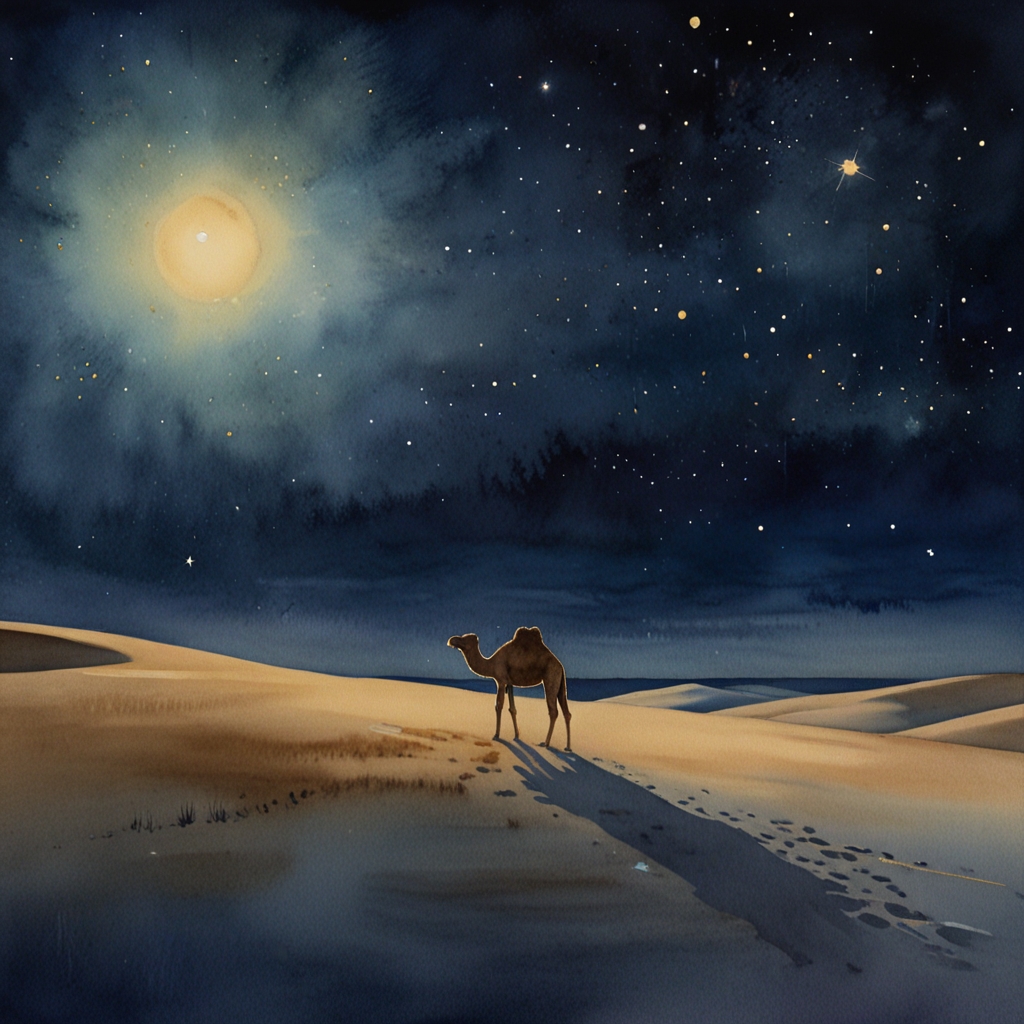
- Desert at night
- Darkness over the arid landscape may intensify feelings of isolation and vulnerability, yet also suggest the potential for starlight and inner illumination amid obscurity.
Where this dream tends to come from
Desert dreams often surface during periods of emotional fatigue, significant transition, or when the dreamer has recently felt disconnected or depleted. They may also follow exposure to desert imagery in film, travel, or literature, or reflect memories of arid climates visited or lived in.
This is everyday, non-clinical context — a prompt for reflection, not a diagnosis.
Related symbols
Questions
Does dreaming of a desert mean I'm in trouble?
No. A desert is a symbol for reflection, not a forecast. It may prompt you to notice whether you feel depleted or isolated in some area of waking life—an invitation to examine and respond, not a prediction of harm.
What if the desert doesn't feel lonely—what if it feels peaceful?
Deserts can evoke peace, clarity, and simplicity for many dreamers. A tranquil desert may reflect contentment with solitude, spiritual openness, or appreciation for spaciousness and freedom from clutter.
For reflection and cultural interest — a dream dictionary, not psychological or medical advice.