A note on how to read this: dream meanings here are a personal and cultural tradition, offered for reflection and curiosity — not science, and not medical or psychological advice.
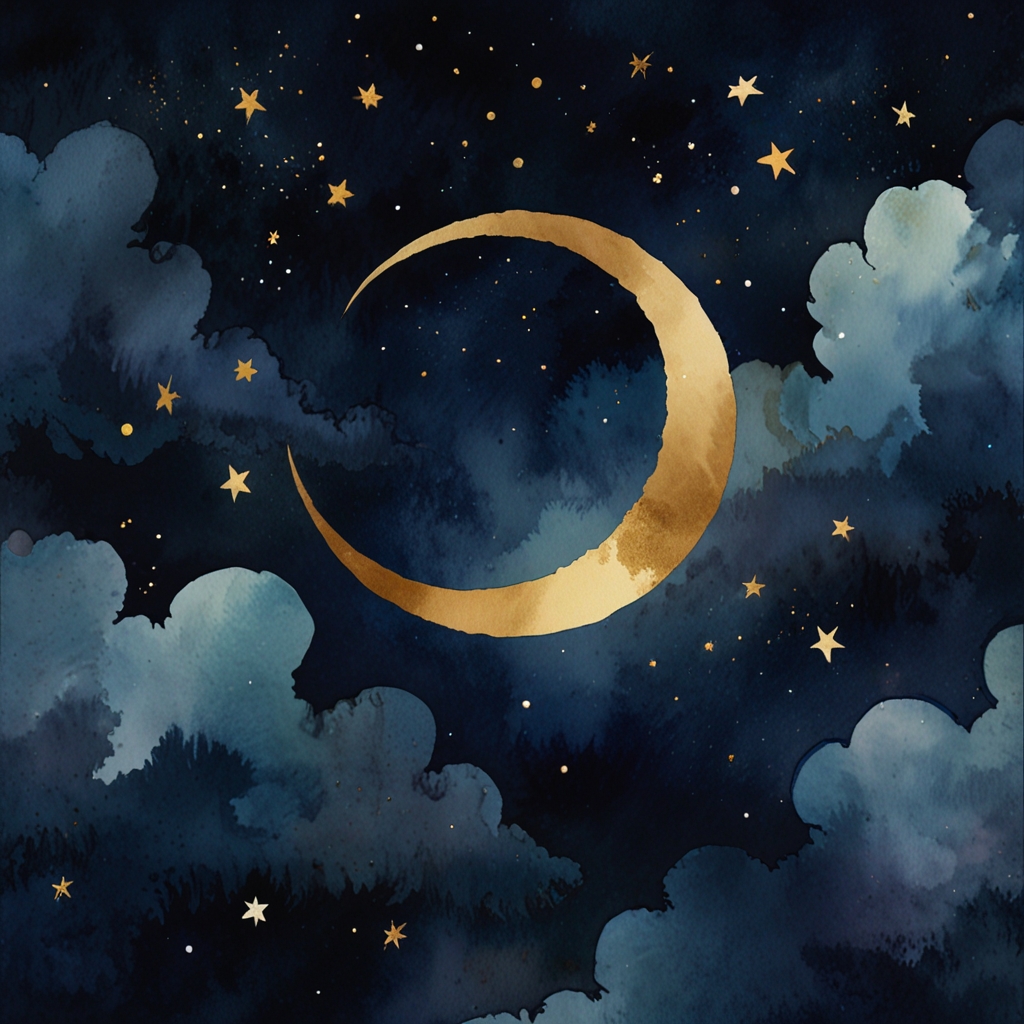
Classical interpreters in Islamic and medieval European dream traditions often read the moon as a symbol of the soul, feminine wisdom, or the governing of hidden currents. A bright moon typically suggests clarity in emotional or spiritual matters, while a darkened or absent moon invites reflection on loss or obscurity.
Jungian psychology associates the moon with the unconscious, intuition, and the receptive feminine principle within all dreamers. It invites attention to what lies beneath conscious awareness—cycles of growth and release, and the shadowed parts of the self that illuminate indirectly.
The moon carries different weight across traditions: in Islamic lore it marks sacred time; in East Asian poetry it symbolizes longing and transience; in Native American teaching it governs cycles and feminine power.
Common variations
- Full Moon Rising
- A luminous sphere ascending the night sky, often evoking awe or illumination—reflects moments when clarity or emotional fullness emerges into consciousness.
- Dark or Hidden Moon
- A moon obscured by clouds or absent from the sky, suggesting mystery or withdrawal—mirrors times when understanding feels distant or intuition seems muted.
- Multiple Moons
- Several lunar bodies occupying the same dreamscape, creating strangeness or abundance—prompts reflection on competing priorities or fragmented attention in waking life.
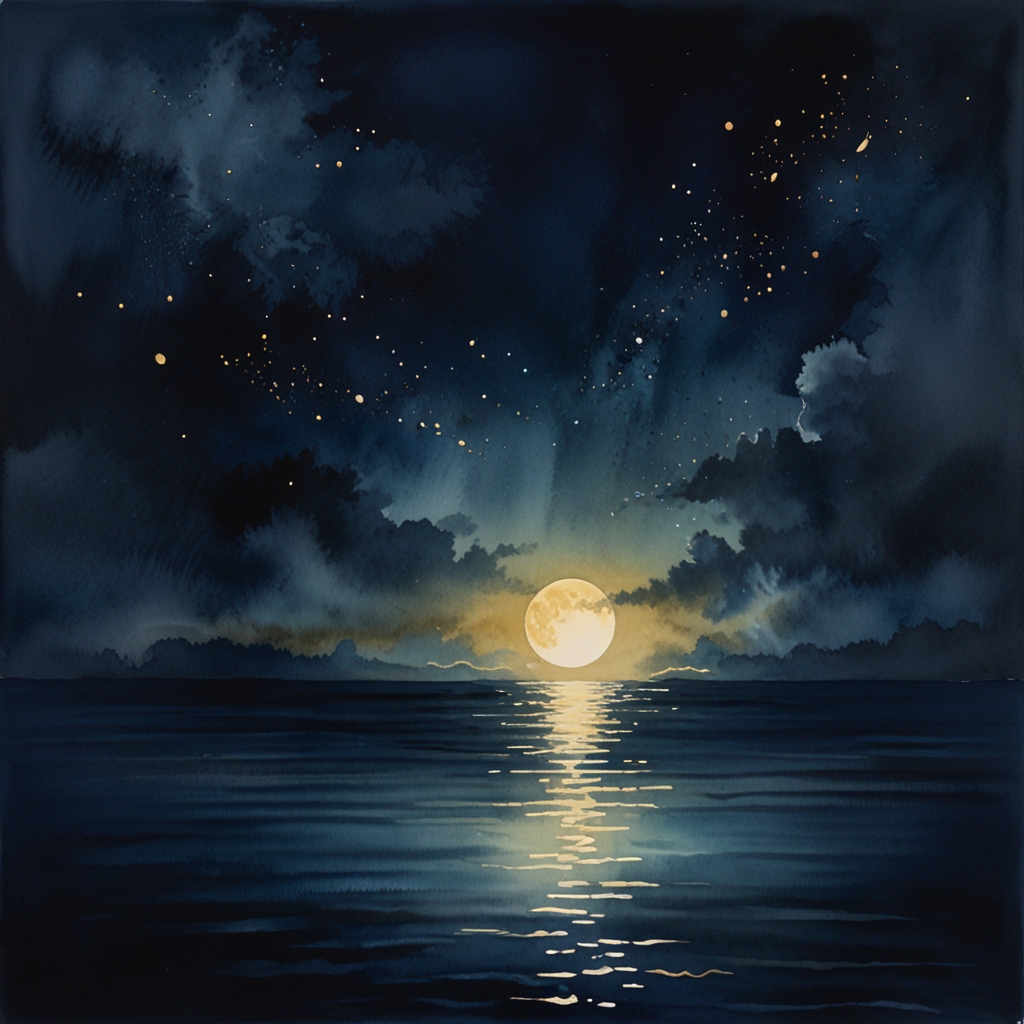
- Moon Reflected in Water
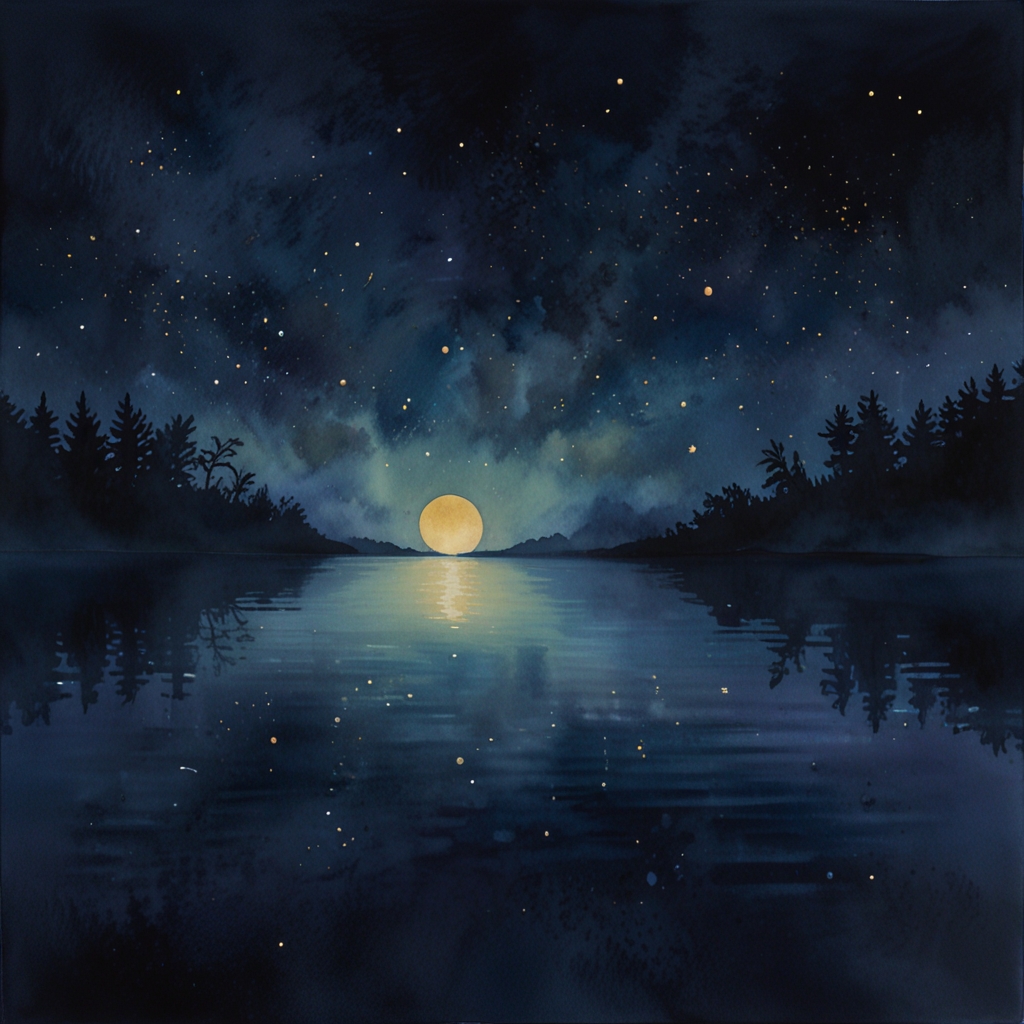
- The moon's image rippling across a lake or ocean, doubled and fluid—evokes the relationship between inner emotional truth and its outer expression.
Where this dream tends to come from
Moon dreams often surface during periods of change, transition between sleep cycles, or when the literal moon phase shifts in the night sky. They commonly emerge when someone is processing cycles, renewal, or the passage of time in their waking life.
This is everyday, non-clinical context — a prompt for reflection, not a diagnosis.
Related symbols
Questions
Does a full moon in a dream mean something good is coming?
A full moon is a prompt to notice completion, clarity, or fullness in your inner life—not a forecast. It invites you to reflect on what is illuminated or made visible to you now.
What if the moon is dark or missing?
A dark or hidden moon often mirrors a period of inwardness, unknowing, or rest. Rather than suggesting loss, it can reflect a natural rhythm—darkness as a space for germination rather than absence.
For reflection and cultural interest — a dream dictionary, not psychological or medical advice.