A note on how to read this: dream meanings here are a personal and cultural tradition, offered for reflection and curiosity — not science, and not medical or psychological advice.
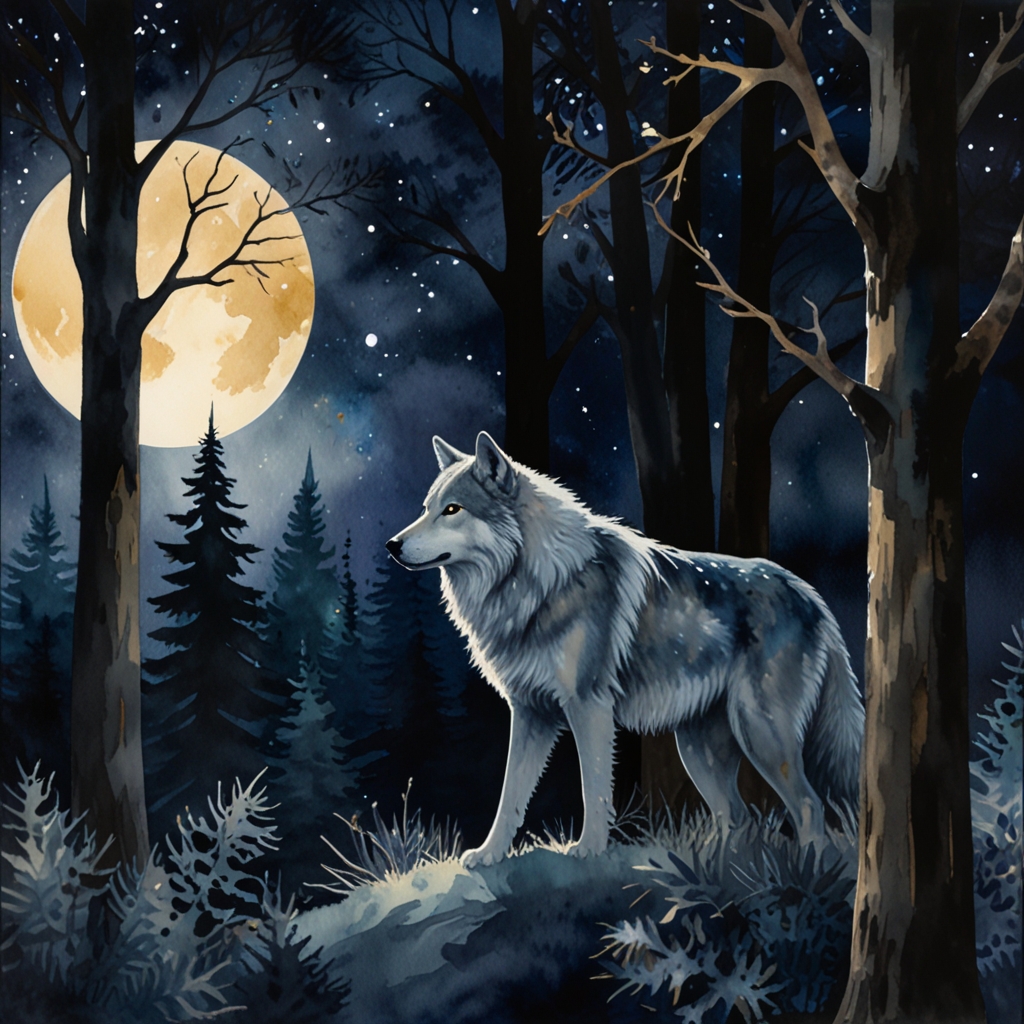
Classical interpreters in this tradition often read the wolf as a threshold between civilization and wilderness, embodying both the protective guardian and the threatening predator. Medieval and ancient sources frame it as a symbol of transformation and appetite—neither wholly evil nor wholly good.
Jungian depth psychology views the wolf as an archetype of the Shadow—the instinctual, fierce, and often suppressed aspects of the psyche that demand recognition. Encountering or befriending a wolf in dream may signal integration of one's own wild nature and authentic power.
Across cultures, the wolf ranges from revered ancestor-spirit and wise teacher (Native American, Norse traditions) to feared villain and moral corruption (European fairy tale and Christian allegory).
Common variations
- Lone wolf
- A solitary wolf often reflects themes of independence, isolation, or self-reliance. The dreamer may be exploring what it means to stand apart or trust their own instinct.
- Wolf pack
- Multiple wolves may evoke belonging, collective power, or conversely, the pressure of group conformity. The dreamer's relationship to the pack reveals attitudes toward community and identity.
- Friendly or tame wolf
- A wolf that shows gentleness or affection suggests acceptance of one's instinctual nature or newfound trust in one's own strength and appetite for life.
- Hunted or wounded wolf
- A wolf in distress may reflect the dreamer's own vulnerability, social marginalization, or conflict between their authentic self and external pressures to conform.
Where this dream tends to come from
Wolf dreams often surface after encounters with wild nature, exposure to animal documentaries or literature, or periods when the dreamer feels caught between social expectation and personal desire. They may also emerge during times of asserting boundaries or reclaiming lost confidence.
This is everyday, non-clinical context — a prompt for reflection, not a diagnosis.
Related symbols
Questions
Does dreaming of a wolf mean something dangerous will happen?
No. A wolf in a dream is a symbol for reflection, not a forecast. It invites you to consider what wildness, instinct, or untamed energy means in your waking life—not to predict future events.
What if the wolf is attacking me?
An attacking wolf often mirrors internal conflict—perhaps you are at odds with your own instincts, or you feel your authentic self is under threat. Rather than a warning, it is an invitation to examine what you are defending against or refusing to acknowledge in yourself.
For reflection and cultural interest — a dream dictionary, not psychological or medical advice.