A note on how to read this: dream meanings here are a personal and cultural tradition, offered for reflection and curiosity — not science, and not medical or psychological advice.
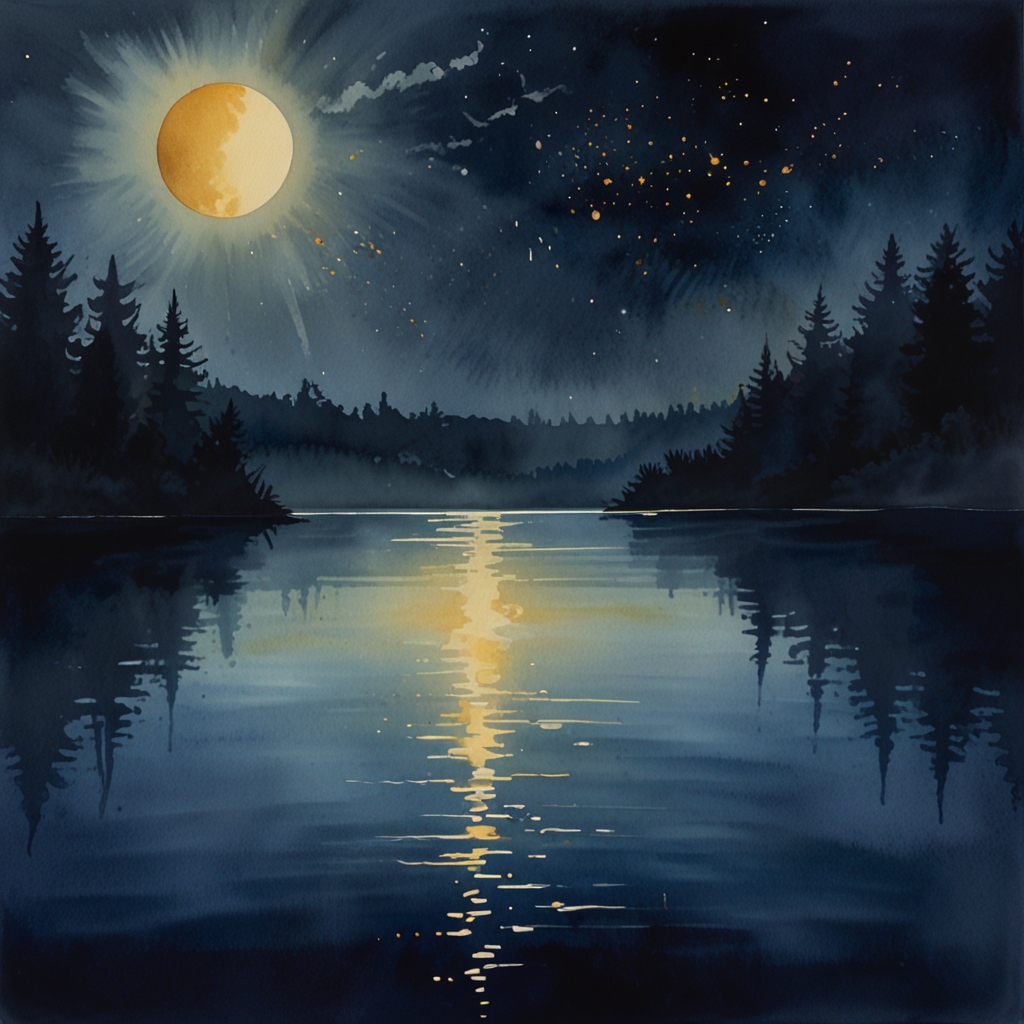
Classical interpreters in this tradition often read the eclipse as a threshold moment: a temporary obscuring of clarity or certainty, suggesting that what seems permanent may be subject to cycles of revelation and concealment. The eclipse recalls that light and shadow are partners in the unfolding of understanding.
Psychologically, the eclipse may express an encounter with the shadow—a temporary darkening of the conscious self or a moment when the ego's usual authority dims. It can symbolize integration: the bringing together of opposing forces (sun and moon) in a unified, if unsettling, moment.
Western traditions often associate eclipses with interruption or warning, while many non-Western cultures view them as cyclical and sacred moments of cosmic balance and renewal.
Common variations
- Total darkness
- A complete eclipse leaving only darkness at midday may reflect a profound loss of orientation or confidence—a temporary but total absence of the usual landmarks by which one navigates.
- Partial eclipse
- A partial eclipse, where light remains but dimmed, suggests an incomplete or gradual obscuring—a nagging sense that something is not quite right, though the world continues to function.
- Watching from shadow
- Observing an eclipse while standing in shadow may indicate viewing one's own uncertainty from a place of already-acknowledged limitation or introspection.
- Eclipse passes quickly
- An eclipse that ends swiftly and returns the world to light may suggest temporary doubt or fear that resolves naturally, restoring confidence and clarity.
Where this dream tends to come from
Eclipse dreams often arise after periods of uncertainty, loss of focus, or exposure to sudden change—a time when something once reliable seemed briefly to vanish. They may also follow witnessing an actual eclipse, or during seasons when external circumstances feel unusually shifting or opaque.
This is everyday, non-clinical context — a prompt for reflection, not a diagnosis.
Related symbols

Questions
Does an eclipse dream predict something bad will happen?
No. An eclipse in dreams is a symbol of temporary change, not a forecast. It invites you to reflect on what feels obscured or uncertain in your waking life, and to remember that darkness in nature is cyclical and brief.
Why would I dream of an eclipse if I haven't seen one?
The eclipse is a archetypal image—a universal moment of paradox where day becomes night. Your unconscious may use it to express an inner experience of sudden doubt, the arrival of an unexpected perspective, or the meeting of opposing truths within yourself.
For reflection and cultural interest — a dream dictionary, not psychological or medical advice.